Why Most Budget Home Espresso Machines Fail (And What Actually Works for Real Cafe-Quality Coffee)
Are you tired of watery, bitter shots from your ‘budget-friendly’ home espresso machine? I know the feeling. For years, I chased the dream of cafe-quality coffee in my tiny kitchen, convinced I could achieve it without breaking the bank. I cycled through three different machines under $300, each promising barista-level results. Each one delivered only disappointment – inconsistent temperatures, weak pressure, and a lingering sense that I was missing something fundamental. It wasn’t until I finally understood the physics and engineering behind real espresso that I realized my mistake: most budget machines are designed to look the part, not perform it. They cut corners on the very components essential for extraction, leaving you with a glorified coffee maker, not an espresso machine.
This isn’t about snobbery; it’s about physics. Espresso isn’t just strong coffee; it’s a specific extraction method that requires precise temperature stability, consistent pressure (around 9 bars), and adequate steam power. Without these, you’re not making espresso; you’re making hot brown water. I’ve learned that investing a little more upfront, or focusing on specific, often overlooked features, can transform your morning ritual from a frustrating chore to a genuine delight. Let me show you what I discovered, and how you can stop the cycle of disappointment and start enjoying real cafe-quality coffee at home.
Key Takeaways
- Most budget espresso machines (< $300) fail due to critical compromises in temperature stability and pump quality.
- Prioritize machines with a robust 15-bar pump (even if it’s an ‘over-spec’), a thermoblock heater, and a heavier portafilter.
- Your grinder is as crucial as your machine; invest in a burr grinder capable of a fine, consistent espresso grind.
- Embrace manual control over automatic settings for better temperature surfing and milk frothing.
The Fundamental Flaws of Under-$300 Machines: Where Corners Are Cut
When you see an espresso machine for $150 or $200, it’s natural to be drawn in by the price, especially if you’re new to the world of home espresso. The reality, however, is that manufacturers have to make severe compromises to hit those price points. From my experience, the biggest culprits are always in the heating element and the pump. These are the twin engines of espresso extraction, and if they’re weak, your coffee will be too.
Many entry-level machines use a single thermocoil or an aluminum boiler that heats up quickly but struggles immensely with temperature stability. Think about it: water needs to be consistently around 195-205°F (90-96°C) for optimal extraction. When you run water through a hot component, then introduce cold water for the next shot, that temperature plummets. This leads to inconsistent extraction, often resulting in sour (under-extracted) or bitter (over-extracted) shots, even with the same beans. I remember one machine where I’d pull a decent shot, then the next would be completely undrinkable because the temperature had drifted so wildly. It felt like I was battling the machine every morning, not enjoying my coffee.
Then there’s the pump. While many budget machines proudly state they have a ‘15-bar pump,’ this is often a marketing trick. They might have a pump capable of 15 bars, but the critical factor is the pressure delivered to the coffee bed, which should be around 9 bars. Cheaper vibratory pumps, while capable of high initial pressure, often struggle with consistent pressure delivery during extraction. They can be noisy, less durable, and more prone to fluctuation, leading to uneven saturation of the coffee grounds. This means channeling (where water finds easy paths through the coffee, leaving much of it unextracted) and a thin, weak shot. My first machine vibrated so violently, it would actually move across the countertop during extraction, spilling coffee everywhere – a testament to its flimsy construction and inadequate pump performance.
Why Your Grinder is Your Espresso Machine’s Best Friend (and Worst Enemy)
I made this mistake more times than I care to admit: spending what little budget I had on the machine, then grabbing a cheap blade grinder for the beans. “Coffee is coffee, right?” I thought. Wrong. This is the single biggest bottleneck for most home espresso enthusiasts, and it’s a lesson I learned the hard way. A great machine is only as good as the grind it’s given. If your grinder isn’t up to snuff, even a $1000 espresso machine will give you terrible results.
Espresso requires an incredibly fine, consistent, and uniform grind. Blade grinders don’t grind; they chop the beans into an inconsistent mess of powder and boulders. This inconsistency means that some particles will over-extract instantly, while others will under-extract, leading to a muddy, bitter, or sour shot. It’s impossible to achieve the resistance needed for proper extraction with an uneven grind. Water just rushes through, leaving you with thin, weak espresso lacking crema and flavor. I distinctly remember the frustration of trying to dial in a shot with my blade grinder – it was like trying to hit a moving target with a blindfold on. One click of the timer, and the whole shot changed for the worse. It was a revelation when I finally upgraded to a dedicated burr grinder, specifically one designed for espresso. The ability to make minute adjustments and produce a fluffy, uniform grind transformed my espresso overnight. It’s not an optional accessory; it’s an essential component.
Prioritizing Performance: What to Look for Beyond the Price Tag
So, if budget machines are often a trap, what should you look for when you’re ready to upgrade? Forget the bells and whistles and focus on the core mechanics that actually deliver quality espresso. In my journey, I discovered three non-negotiable features that define a machine’s actual capability, even if they push you slightly beyond the absolute entry-level price point:
A True 15-Bar (or more) Vibratory Pump with Over-Pressure Valve (OPV) or Electronic Pressure Control: While I criticized the generic “15-bar pump” earlier, a good vibratory pump, combined with an OPV or electronic pressure control, is a game-changer. The OPV is crucial because it limits the maximum pressure delivered to the coffee bed to the ideal 9-10 bars, even if the pump itself can produce more. This prevents over-extraction, channeling, and ensures a more consistent shot. My current machine has this, and the difference in shot quality and consistency is night and day. Without it, you’re gambling with every shot, hoping the pump doesn’t overpower your puck.
Thermoblock Heating System (or a Small Single Boiler): While multi-boiler systems are the gold standard (and well out of budget territory), a good thermoblock or a small, well-designed single boiler offers far better temperature stability than a cheap thermocoil. Thermoblocks heat water on demand, reducing the wait time between shots and, more importantly, maintaining a more consistent temperature during extraction. Look for machines that emphasize thermal stability, perhaps with PID controllers (though rare in lower price ranges) or simply reviews that praise consistent temperature. It’s the difference between a hot shot and a consistently hot shot.
Heavy, Brass (or Stainless Steel) Portafilter and Group Head: This detail is often overlooked but profoundly impacts temperature stability. Many budget machines use lightweight aluminum or plastic portafilters and group heads. Metal has thermal mass, meaning it retains heat. A heavy, pre-heated portafilter and group head ensure that when hot water hits the coffee, the temperature doesn’t drop significantly. This ‘thermal mass’ helps maintain that crucial 195-205°F range throughout the extraction. The first time I felt the heft of a brass portafilter, I knew it was a different league. It absorbs and retains heat, ensuring an even temperature from the moment water hits the puck until the shot is done.
The Art of Manual Control: Mastering Your Machine (Not Just Pressing Buttons)
Many budget machines try to lure you with pre-programmed shot buttons or ‘automatic’ features. In my experience, these are often more hindrance than help. Real espresso making, especially at home, is an art form that thrives on manual control and learning your machine’s quirks. This is where you can truly elevate your coffee, even on a slightly less expensive setup.
First, temperature surfing. Since budget machines lack PID controllers, their temperature will fluctuate. I learned to ‘temperature surf’ by running a bit of water through the group head just before pulling a shot. This brings the water in the boiler or thermoblock back up to optimal temperature, or at least closer to it. It’s a trick that allows you to manipulate the machine’s inherent instability to your advantage, yielding much more consistent results. It’s about listening to the machine, understanding its cycles, and taking control.
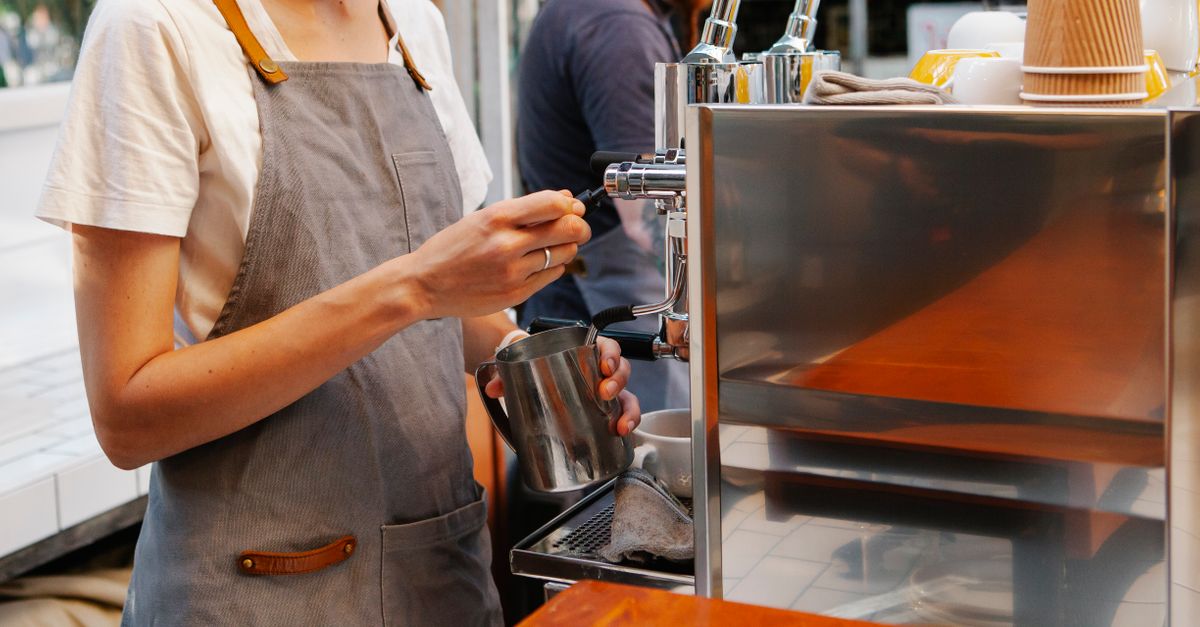
Second, manual milk frothing. Automatic frothers on cheap machines are almost universally terrible. They produce large, unstable bubbles, not the silky microfoam needed for lattes and cappuccinos. Learning to manually steam milk, even with a basic pannarello wand (the metal sleeve on many entry-level machines), is a skill worth developing. Remove the sleeve for better control, practice getting that ‘rip’ sound (incorporating air) and then the ‘whirlpool’ (mixing the air). It takes patience, but the difference between chunky foam and velvety microfoam is astounding. I spent weeks practicing with just water and a drop of dish soap before I dared to waste precious milk. The payoff was immense, transforming my morning latte into a truly cafe-like experience.
The Hidden Value of Maintenance and Community
Finally, something I rarely considered when I was chasing the cheapest machine: maintenance and community. When you buy a deeply budget-priced machine, it’s often a disposable item. Parts are cheap, hard to replace, and repair services are non-existent or cost more than the machine itself. This means you’re on a treadmill of buying new machines every couple of years, which ultimately costs you more than a single, slightly more expensive, and maintainable unit.
Investing in a machine that has readily available spare parts (portafilter gaskets, shower screens, steam wands) means it can last for many years. It encourages you to learn about your machine, perform descaling regularly, and troubleshoot minor issues. This longevity is where true value lies, not in the initial low price. Furthermore, there’s a vibrant online community of home espresso enthusiasts. When you have a recognizable machine from a reputable brand (even if it’s their entry-level model), you’ll find a wealth of forum discussions, YouTube tutorials, and troubleshooting guides. This collective knowledge is invaluable for dialing in your technique, solving problems, and getting the most out of your setup. I’ve saved countless hours and averted potential breakdowns by tapping into these resources, something simply not available for obscure, off-brand machines.
Frequently Asked Questions
What’s the minimum I should expect to spend for a decent home espresso setup?
In my experience, you should aim for a combined budget of at least $500-$700 to get a truly decent home espresso setup that includes both the machine and a capable grinder. This breaks down to roughly $300-$400 for a solid entry-level machine and another $200-$300 for a quality burr grinder. Trying to go significantly lower often leads to compromises that severely impact shot quality and lead to frustration.
Can I really make cafe-quality espresso at home without spending thousands?
Absolutely, but it requires strategic investment and a commitment to learning. You won’t get the same speed or volume as a commercial machine, but with a good grinder, a thermally stable machine, fresh beans, and practiced technique, you can consistently pull shots that rival (or even surpass) your local cafe, all for a fraction of the cost over time.
How important is the grinder compared to the espresso machine?
The grinder is arguably more important than the machine, especially when you’re starting out. A fantastic espresso machine cannot compensate for a poor, inconsistent grind. An entry-level machine paired with an excellent espresso-specific burr grinder will produce far better results than a high-end machine paired with a cheap blade grinder. Invest in a stepless or micro-stepped burr grinder that can produce a very fine, uniform grind.
What are ‘temperature surfing’ and ‘dosing’ and why do they matter?
Temperature surfing is a technique to manipulate a machine’s boiler temperature to hit the optimal extraction temperature. For machines without PID, you might purge water to cool it down or wait for a heating cycle to complete. Dosing refers to the amount of ground coffee used. Consistency in dosing (e.g., 18 grams for a double shot) is crucial for consistent shots. Both are critical manual adjustments that allow you to adapt to your machine and beans for better espresso.
How often should I descale and clean my espresso machine?
Regular maintenance is key to longevity and good flavor. I descale my machine every 1-3 months, depending on my water hardness and usage, using a descaling solution recommended by the manufacturer. Backflushing (if your machine has a 3-way solenoid valve) and cleaning the group head with espresso detergent should be done weekly. Wiping down the steam wand immediately after each use prevents milk buildup. Consistency here truly pays off in performance and taste.
The True Cost of ‘Cheap’
The allure of an affordable home espresso machine is strong. I’ve been there, thinking I could cheat the system and still get that rich, aromatic shot I craved. But the truth I’ve discovered is that the ‘cheap’ option often comes with a hidden, higher cost: the cost of frustration, wasted beans, and ultimately, a subpar coffee experience that fails to deliver on its promise. Don’t fall into the same trap I did. Shift your focus from the lowest price tag to understanding the fundamental mechanics of espresso. Prioritize a capable grinder, a machine with decent thermal mass and pressure control, and embrace the learning curve of manual control. Your taste buds, and your wallet (in the long run), will thank you. Start by researching well-regarded entry-level burr grinders, then look for a machine that emphasizes actual performance over flashy features. Your journey to cafe-quality coffee at home begins with informed choices, not just low prices.
Written by Emily Carter
Early career finances, student debt, and mindful spending
A millennial navigating student loans and an evolving career, passionate about sharing her journey to financial freedom.
You Might Also Like

Why Most Beginners Fail at Mastering Their New Air Fryer (And The Layered Approach That Actually Works)
Discover why initial air fryer attempts often disappoint and learn a layered approach to achieve consistently crispy, flavorful results every time.
Why Most Beginners Fail at Mastering Their New Air Fryer (And The Layered Approach That Actually Works)
Discover why air fryer meals often disappoint for beginners and learn my layered approach to unlock perfectly crispy, flavorful results every time.
Why Most Beginners Fail at Mastering Their New Air Fryer (And The Layered Approach That Actually Works)
Unlock your air fryer's full potential. Discover why beginners struggle and learn the 'Layered Approach' to achieve perfect, crispy results every time.