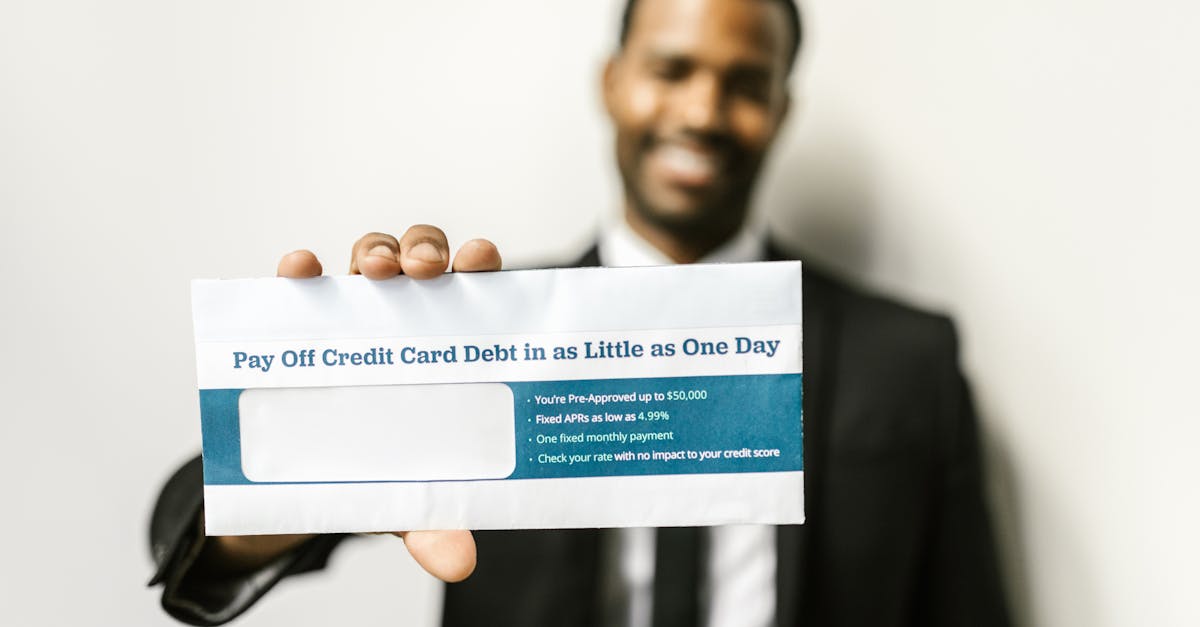
You’re staring down a pile of debt, maybe it’s a personal loan, a car loan, or even student loans. The decision you made when you first took out those loans – fixed or variable rate – felt distant then, but now it’s a daily calculation. Or maybe you’re about to take on new debt and trying to figure out which path is less treacherous. I’ve seen countless people get tripped up by this choice, often because they focus on the immediate numbers without considering the long game. The mistake I see most often is treating a variable rate as a guaranteed discount, or a fixed rate as an unnecessary premium. It’s rarely that simple.
Key Takeaways
- Fixed-rate loans offer predictable monthly payments, providing budget stability regardless of market fluctuations.
- Variable-rate loans can offer lower initial interest rates but come with the risk of increasing payments if market rates rise.
- Evaluate your personal financial stability and risk tolerance before committing to either a fixed or variable loan structure.
- Consider refinancing from a variable to a fixed rate if interest rates are rising or your budget needs more certainty.
Understanding the Core Difference: Predictability Versus Fluctuation
At its heart, the choice between a fixed-rate loan and a variable-rate loan is a trade-off between predictability and potential fluctuation. With a fixed-rate loan, your interest rate is locked in for the entire life of the loan. This means your monthly principal and interest payment will always be the same. The allure here is clear: you know exactly what to expect. My first car loan was a fixed rate, and knowing that payment wouldn’t budge gave me immense peace of mind, especially when I was just starting out and my income felt less stable.
Variable-rate loans, on the other hand, have interest rates that can change over time. These rates are typically tied to a benchmark interest rate, like the prime rate or LIBOR (though LIBOR is being phased out for SOFR in many cases by 2026). When the benchmark rate goes up, your interest rate goes up, and so does your monthly payment. If it goes down, your payments can decrease. The initial interest rate on a variable loan is often lower than a fixed rate, which can look very attractive on paper. I once helped a friend analyze a personal loan for a home renovation, and the variable rate offer was a full percentage point lower. It looked like a no-brainer, until we dug into the potential downsides.
This core difference dictates how much control you have over your budget. A fixed rate is like building a house on solid ground – you know it won’t shift. A variable rate is like building on shifting sands – it might be fine, but you need to be prepared for movement.
When a Fixed-Rate Loan Is Your Anchor in a Stormy Economy
In my experience, a fixed-rate loan is almost always the smarter choice for most individuals, especially when you value budget stability and peace of mind. Imagine the current economic climate: inflation is volatile, and the Federal Reserve is actively adjusting interest rates to control it. If you have a variable-rate loan during a period of rising rates, your monthly payments could jump, sometimes dramatically, without any change to your income. This can quickly derail a carefully planned budget and cause significant financial stress.
What changed everything for me was realizing that the cost of certainty is often worth the extra percentage point or two. When I bought my first house, the thought of my mortgage payment fluctuating terrified me. I opted for a fixed-rate mortgage, even though variable rates were slightly lower at the time. Over the next few years, interest rates climbed significantly. My fixed payment remained the same, while friends with variable rates saw their housing costs surge. That’s when the real value of a fixed rate became clear: it acts as a financial anchor, holding your budget steady even when economic seas get rough.
This is particularly true for larger, long-term debts like mortgages, student loans, or substantial personal loans. A small interest rate increase on a $300,000 mortgage can mean hundreds of dollars more per month. For a smaller debt, like a $10,000 car loan, the impact is less severe but still adds up. If you anticipate any instability in your income, or if you simply prefer a predictable financial landscape, a fixed-rate loan is almost always the most prudent choice.
Why Variable-Rate Loans Are Rarely the Smart Play for Personal Debt
While variable-rate loans can seem appealing due to their lower initial interest rates, they often come with a hidden cost: unpredictable risk. Lenders offer variable rates because they transfer the interest rate risk from themselves to you, the borrower. If rates rise, they make more money. If rates fall, they make less, but they hedge that risk with the initial higher profit margins from fixed loans.
The mistake I see most often is people falling for the immediate gratification of a lower initial payment, without truly understanding the stress and budgeting nightmares that can ensue if rates climb. I worked with a client once who had taken out a variable-rate personal loan to consolidate some credit card debt. Initially, it was a great deal, saving them about $50 a month. But within 18 months, the benchmark rate had increased three times, pushing their monthly payment up by over $100 compared to their original fixed-rate credit card payments. Not only did they lose their initial savings, but they were now paying more and had the added anxiety of not knowing if rates would climb further.
For a variable-rate loan to be a genuinely smart play, you need to meet a very specific set of criteria:
- You plan to pay off the debt very quickly. If you know you can eliminate the debt within a year or two, before significant rate changes are likely to occur, a variable rate might save you a little money. However, even then, the savings are often minimal.
- You have a very high-income stability and a significant emergency fund. This allows you to absorb any unexpected payment increases without derailing your financial plan.
- You are a sophisticated investor who can accurately predict interest rate trends. This is an extremely rare skill, even for seasoned financial professionals, and relies on macroeconomic forecasting that most individuals simply don’t have access to or expertise in.
For the average person managing their finances, these conditions are rarely met. The emotional toll of constantly worrying about interest rate hikes often far outweighs any minimal initial savings. Stick with predictability, especially when it comes to debt.
The Refinancing Advantage: Switching from Variable to Fixed
If you currently hold a variable-rate loan and the thought of fluctuating payments gives you anxiety, there’s often a solution: refinancing to a fixed rate. This is a strategic move that can dramatically improve your financial outlook, especially if interest rates are trending upwards.
I recently guided a client through this exact process. They had a student loan with a variable rate that had been slowly creeping up over the last year. Their monthly payment had increased by about $40, and they were starting to feel the pinch. We looked at current fixed-rate offers, and while the new fixed rate was slightly higher than their initial variable rate, it was lower than their current variable rate and, most importantly, offered stability. After refinancing, their payment was locked in for the next ten years, giving them immense relief.
Here’s when refinancing from variable to fixed makes the most sense:
- Interest rates are rising: If you see the Federal Reserve signaling rate hikes, or if your variable rate has already increased, it’s a strong indicator to lock in a fixed rate before it climbs further.
- Your budget needs certainty: Even if rates aren’t skyrocketing, if you’re struggling to budget or want more predictability, switching to a fixed rate can provide that essential stability.
- You plan to hold the debt for a long time: For multi-year debts, the cumulative impact of even small rate increases on a variable loan can be substantial. A fixed rate protects you over the long haul.
- You can get a favorable fixed rate: Always shop around for the best fixed-rate offer. Your credit score, debt-to-income ratio, and the overall economic environment will influence the rates you’re offered.
Don’t wait until you’re in financial distress. Proactively evaluating your variable-rate debt and considering a fixed-rate refinance can be one of the smartest moves you make to secure your financial future. What changed everything for my clients was understanding they weren’t stuck; they had options to regain control.
Why ‘Hybrid’ Loans Offer a False Sense of Security
Some loans, particularly mortgages, are offered with a ‘hybrid’ structure, often called an Adjustable-Rate Mortgage (ARM). These loans might start with a fixed interest rate for a set period (e.g., 5 or 7 years) and then convert to a variable rate for the remainder of the loan term. On the surface, this might seem like the best of both worlds: initial predictability with the potential for lower long-term rates. However, in my experience, these hybrids can be more dangerous than a purely variable loan for the average borrower.
The biggest pitfall is the assumption that you’ll refinance before the fixed period ends, or that rates will be lower when the adjustment kicks in. I’ve seen clients gamble on this, thinking they’ll be in a better financial position or the market will be more favorable. Life happens. Market conditions change unexpectedly. When that fixed period ends and the rate adjusts, it often does so significantly, leading to payment shock. For example, a client took an ARM that was fixed for five years. They planned to sell their house before it adjusted. A sudden dip in the housing market meant they couldn’t sell as planned, and when their rate adjusted, their monthly payment jumped by nearly $600. It was a scramble to make ends meet.
The real problem with hybrid loans is that they lull you into a false sense of security during the fixed period, only to hit you with volatility when you least expect it or are least prepared. If you’re considering a hybrid loan, you must:
- Have a bulletproof exit strategy: A concrete plan to pay off or refinance the loan before the adjustment period, with contingencies if that plan falls through.
- Possess an exceptional risk tolerance and financial buffer: You need to be able to comfortably absorb a significant payment increase without jeopardizing your budget.
- Understand the caps: Most variable loans have periodic and lifetime caps on how much the interest rate can increase. Know these limits, but don’t assume they make the loan ‘safe.’ Even hitting a periodic cap can be a devastating blow to a tight budget.
For most people, the complexity and inherent risk of hybrid loans outweigh the marginal benefits of a slightly lower initial rate. Simplicity and predictability often win when it comes to debt payoff.
Frequently Asked Questions
What is a ‘benchmark interest rate’ for variable loans?
A benchmark interest rate is a standard rate used by financial institutions to set their own lending rates. For variable-rate loans, your interest rate is often tied to one of these benchmarks, such as the Prime Rate (often influenced by the Federal Reserve’s federal funds rate) or SOFR (Secured Overnight Financing Rate), which is replacing LIBOR.
Can my variable loan’s interest rate change daily?
While a variable rate can change, it typically doesn’t adjust daily. Most variable-rate loans have an adjustment period, which could be monthly, quarterly, semi-annually, or annually. Your loan agreement will specify how often the rate can change.
Does my credit score affect whether I can get a fixed or variable rate?
Yes, your credit score significantly impacts the interest rates you’re offered for both fixed and variable loans. A higher credit score generally qualifies you for lower interest rates, regardless of the loan type. Lenders view borrowers with excellent credit as less risky.
Is it always more expensive to choose a fixed-rate loan?
Not necessarily. While fixed rates often start slightly higher than the initial variable rates, they can become cheaper in the long run if market interest rates rise. The stability of a fixed rate can also save you money by preventing unexpected payment increases that could lead to missed payments or further debt.
What happens if I want to pay off my loan early with a fixed rate?
Most fixed-rate personal loans, car loans, and mortgages do not have prepayment penalties, meaning you can pay them off early without extra fees. This is a common strategy for debt payoff. Always check your loan agreement for any specific prepayment clauses, though they are rare for consumer loans.
Ultimately, the choice between fixed and variable rates isn’t just about the numbers; it’s about your financial personality, your risk tolerance, and your long-term goals. For most people, the stability and peace of mind offered by a fixed rate far outweigh the speculative potential savings of a variable one. Take control of your debt payoff by choosing predictability.