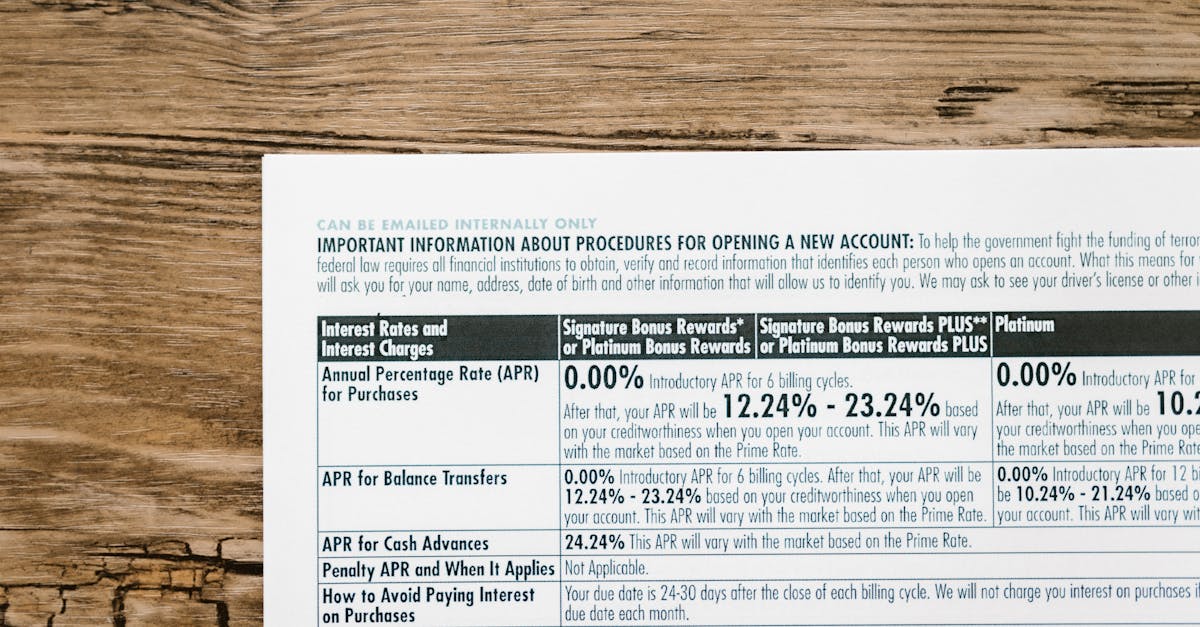
I’ve seen so many people, myself included, fall into the trap of thinking a low annual percentage rate (APR) is the golden ticket to debt freedom. Or, on the flip side, they jump at a 0% balance transfer offer without truly understanding the fine print. I remember a few years ago, I was juggling three different credit cards, each with a different, seemingly ‘good’ APR – one at 15.99%, another at 18.24%, and a third that kept creeping up. I thought I was being smart by trying to pay off the highest APR first, but the interest kept piling on, and my balances barely budged. I was stuck in a cycle of minimum payments, watching hundreds of dollars vanish into interest every month.
Then came a tempting balance transfer offer: 0% APR for 18 months, with a 3% transfer fee. It sounded like a miracle. I eagerly transferred a significant chunk of my highest-interest debt, convinced I’d finally beat the system. What I didn’t fully grasp was the immediate impact of that 3% fee, and more critically, how quickly those 18 months would fly by. I wasn’t able to pay off enough during the introductory period, and when the regular APR kicked in, it was even higher than my original card. I found myself in a deeper hole than before.
This experience taught me a crucial lesson: there’s no one-size-fits-all answer, and both low APRs and balance transfer offers have their distinct pros and cons. Understanding which strategy truly reduces your debt faster requires a careful look at your specific situation, your payment habits, and the often-hidden costs.
Key Takeaways
- A consistently low credit card APR is crucial for steady debt reduction, especially if you carry a balance month-to-month.
- Balance transfer offers can accelerate debt payoff significantly, but only if you can clear the transferred balance before the promotional period ends.
- The balance transfer fee, typically 3-5% of the transferred amount, is an immediate cost that must be factored into your total savings.
- Your payment discipline and ability to avoid new debt are the most significant factors in whether a low APR or a balance transfer will be more effective.
Low APR Is About Steady, Predictable Progress
When you’re comparing a standard credit card’s APR against a balance transfer, the APR (Annual Percentage Rate) is your long-term, steady-state cost of borrowing. If you consistently carry a balance, even a ‘low’ APR can add up over time, but it offers predictability. In my experience, focusing on getting the lowest possible APR for the long haul is often the best strategy for those who know they’ll carry some debt for a while, even with aggressive payment efforts.
Let’s say you have a $5,000 credit card balance at an 18% APR. If you make minimum payments, a significant portion goes to interest, and the principal shrinks slowly. If you manage to lower that APR to, say, 12%, every dollar you pay contributes more directly to reducing your principal. Over a year, on a $5,000 balance, an 18% APR means roughly $900 in interest if you’re not paying it down. At 12%, that’s $600. That $300 difference could go directly to your principal, or even better, be put into savings. The real power of a low APR is in its consistent, non-promotional savings. You don’t have to worry about an introductory period expiring or hidden fees. It’s just a lower cost of borrowing, every single month.
What changed everything for me was realizing that consistently chipping away at principal, even without a dramatic 0% offer, builds momentum. It’s about finding a card with the lowest ongoing APR you can qualify for and then aggressively paying more than the minimum. The mistake I see most often is people accepting a slightly lower APR but not changing their payment habits. A lower rate is only truly effective if you’re also committed to significantly reducing that principal each month. Shop around, negotiate with your current card issuer, and make it a priority to reduce that long-term interest burden.
Balance Transfer Offers Deliver Speed, But Demand Discipline
A 0% APR balance transfer offer can feel like hitting the financial jackpot. For a promotional period, usually 6 to 24 months, you pay no interest on the transferred balance. This means every dollar you pay goes directly to your principal, potentially accelerating your debt payoff dramatically. I’ve seen clients clear thousands in debt in a matter of months with these offers, but they always required meticulous planning and unwavering discipline.
Let’s revisit my $5,000 debt. If I transfer that to a card with 0% APR for 18 months, and the transfer fee is 3%, I immediately add $150 to my total debt ($5,000 0.03 = $150), making my new balance $5,150. To pay off this entire balance within the 18-month promotional period, I would need to pay approximately $286.11 per month ($5,150 / 18). If I stick to this plan, I pay $150 in fees, but save potentially thousands in interest compared to my original 18% APR. The ‘trick’ is thatif* I pay off the entire $5,150 in 18 months, I save a substantial amount.
The critical caveat here is the balance transfer fee. It’s not optional. You pay it upfront, and it adds to the debt you’re trying to eliminate. Many people focus so much on the 0% APR that they overlook this immediate cost. Another common mistake is failing to pay off the entire transferred balance before the promotional period expires. If you have any balance remaining, the regular APR (which can be quite high, sometimes even higher than your original card) will kick in, and often apply retroactively to the original transferred amount. This can quickly erase any savings you thought you achieved.
In my experience, balance transfer offers are best for two types of people: those with a clear, achievable plan to pay off the entire transferred balance within the promotional window, and those who need a temporary reprieve from high interest to build a strong emergency fund or tackle other immediate financial goals, again with a solid plan to address the transferred debt before the promotional period ends. They are not a long-term solution, but a powerful sprint tool.
The Hidden Cost: Your Payment Habits Matter Most
Neither a low APR nor a balance transfer offer will magically solve your debt problems if you don’t address your underlying spending and payment habits. This is the truth I had to face after my own balance transfer misstep. I transferred debt, but I didn’t change how I was spending. Soon, I was charging new purchases to the old cards, and then eventually, to the new balance transfer card after the 0% period ended.
Here’s what I’ve learned makes the real difference:
- Stick to a budget: Whether you use a low APR card or a balance transfer, a detailed budget is non-negotiable. You need to know exactly how much money is coming in and where every dollar is going. This reveals areas where you can cut back and free up more cash for debt payments. I recommend a zero-based budget, where every dollar has a job, because it forces you to be intentional with your money.
- Aggressive payments are key: For a low APR card, paying even $50 over the minimum can shave months off your repayment time and save hundreds in interest. With a balance transfer, you must commit to paying the required amount to clear the balance before the 0% period ends. Calculate the monthly payment needed and set up automatic transfers. Do not rely on memory or willpower.
- Avoid new debt: This is the make-or-break factor. If you transfer a balance, freeze or put away the old cards. Do not make new purchases on the balance transfer card during the promotional period. I’ve seen too many people transfer debt, then rack up new debt, ending up worse off. The goal is to eliminate debt, not just shuffle it around.
- Build an emergency fund: Even a small emergency fund (say, $1,000) can prevent you from using credit cards for unexpected expenses while you’re focused on debt payoff. This was a game-changer for me. Knowing I had a small buffer meant I didn’t reach for my credit card when my car needed an unexpected repair.
Ultimately, your personal financial discipline and the systems you put in place to manage your money will have a greater impact on your debt reduction speed than any specific credit card feature or offer. These tools are simply accelerators; you have to be the driver.
The Deciding Factor: How Soon Can You Clear the Debt?
The choice between chasing a low ongoing APR and leveraging a 0% balance transfer offer truly comes down to one question: How soon can you realistically pay off your current credit card debt?
If your debt is substantial – say, $10,000 or more – and you anticipate it will take you more than 24 months to pay off, then a consistently low APR is likely your safer, more predictable bet. While a balance transfer might offer temporary relief, the risk of not paying it off before the introductory period ends, and then being stuck with an even higher APR, is significant. In this scenario, focus on finding a card with the lowest possible non-promotional APR, and then implementing aggressive budgeting and payment strategies.
On the other hand, if you have a manageable debt load – perhaps under $5,000 – and you can confidently commit to paying it off within a 12 to 18-month promotional period (factoring in the balance transfer fee), then a 0% APR balance transfer can be an incredibly powerful tool. You save a significant amount on interest, and every payment directly attacks your principal. However, this strategy requires strict adherence to your payment plan and a complete freeze on new credit card spending.
In my own financial journey, I’ve used both strategies at different times. Early on, when my debt felt insurmountable, I focused on securing the lowest APR I could. It was a slower, but steadier climb out of debt. Later, when I had a smaller, more concentrated balance, I used a balance transfer to finish it off quickly. The key was understanding my own capacity and commitment level before making the choice.
Be honest with yourself about your ability to stick to a plan. If you have a history of falling back into debt after promotional periods, a balance transfer might be too risky. If you’re confident in your discipline, it can be a rocket ship for debt payoff.
Frequently Asked Questions
What is a good credit card APR?
A ‘good’ credit card APR is subjective and depends on your creditworthiness. For someone with excellent credit (760+), an APR below 15% is generally considered good. For those with average credit (670-739), anything under 20% might be considered reasonable. However, the best APR is always the lowest one you can get, ideally 0% if you pay off your balance in full every month.
Can I negotiate a lower APR with my current credit card company?
Yes, absolutely! It’s always worth a try. Call your credit card company and explain your situation. Mention that you’re a responsible customer (if you are), that you’re looking to pay down debt, and that you’re exploring other options with lower rates. They may be willing to lower your current APR to retain you as a customer. I’ve had success with this several times, saving me hundreds of dollars a year.
How often can I get a balance transfer offer?
There’s no set rule, but typically, you should wait until you’ve fully paid off the previous transferred balance before seeking another. Credit card issuers look for responsible borrowing behavior. Applying for too many balance transfer cards in a short period can negatively impact your credit score and make it harder to qualify for future offers. It’s best to use them strategically, one at a time, to eliminate debt completely.
Are there balance transfer offers without fees?
They are rare, but they do exist! Keep an eye out for these special promotions, especially from newer credit card companies trying to attract customers. However, they are not common and often come with shorter promotional periods or stricter eligibility requirements. Always read the terms and conditions carefully, as a no-fee offer might have other caveats.
What happens if I don’t pay off the balance transfer before the 0% APR expires?
If you have any balance remaining after the promotional 0% APR period ends, the outstanding balance will revert to the card’s standard variable APR. This rate can be significantly higher than the original card’s APR. In some cases, especially with deferred interest offers, the interest for the entire promotional period can be retroactively applied. This is why it’s crucial to have a concrete payoff plan and to stick to it before pursuing a balance transfer.
Conclusion
Choosing between a low APR credit card and a balance transfer offer isn’t a simple decision; it’s a strategic one that should align with your financial situation and, most importantly, your debt payoff discipline. A consistently low APR provides steady, predictable progress, ideal for those with larger debts who need more time. A 0% balance transfer offers a powerful, fast sprint to eliminate debt, but it demands meticulous planning to avoid the pitfalls of fees and expired promotional periods.
My biggest lesson was that neither tool is a magic bullet. They are amplifiers for your own commitment. The most effective strategy integrates either a low APR or a balance transfer with a stringent budget, aggressive payments that exceed the minimum, and an unwavering commitment to avoid new debt. Be honest about your payment habits, calculate all costs, and pick the path that truly helps you reduce your debt faster, not just shuffle it around. The next step is to review your current credit card statements, identify your highest interest debt, and then research offers that genuinely fit your payoff timeline and discipline.